Have you ever needed to visualize a length without having a ruler nearby? Whether you are shopping online, measuring household items, or working on a DIY project, familiar objects can make measurements much easier to understand.
Six inches equals 15.24 centimeters, 152.4 millimeters, or half a foot. This length may seem difficult to picture at first, but comparing it with everyday objects can help you understand its actual size.
In this guide, you will discover practical size comparisons, simple conversion methods, and ways to estimate this length without specialized measuring tools.
How Long Is 6 Inches?
Six inches is a relatively short length that is easy to measure using a standard ruler. On a 12-inch ruler, this distance reaches exactly halfway along its length.
Here are the equivalent measurements in different units:
| Measurement Unit | Equivalent |
|---|---|
| Inches | 6 |
| Centimeters | 15.24 cm |
| Millimeters | 152.4 mm |
| Feet | 0.5 ft |
| Meters | 0.1524 m |
| Yards | Approximately 0.167 yd |
The easiest conversion to remember is that one inch equals 2.54 centimeters. Multiply the number of inches by 2.54 to convert any measurement into centimeters.
For example:
6 × 2.54 = 15.24 cm
This conversion is particularly useful when comparing American product dimensions with measurements listed in metric units.
What Does This Length Look Like in Real Life?
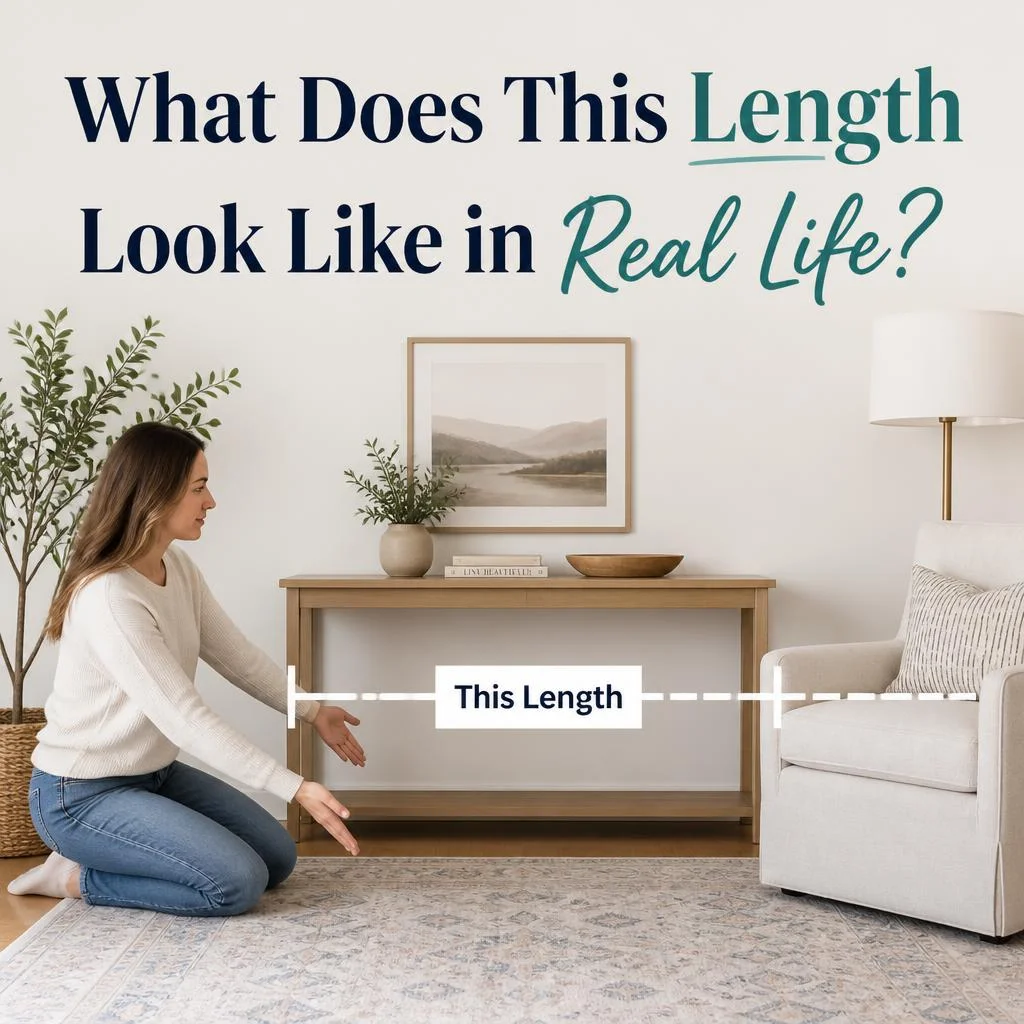
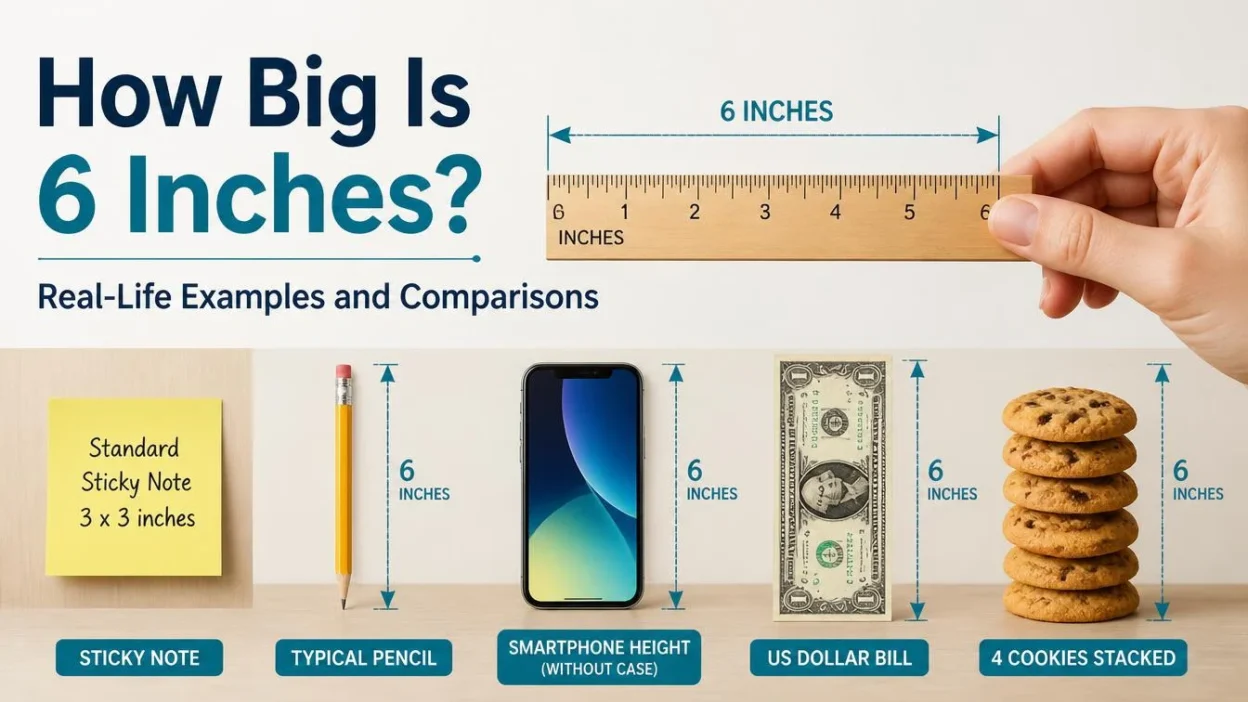
Everyday objects provide useful references when you want to understand a measurement without relying entirely on numbers.
1. A US Dollar Bill

<escape>A US dollar bill measures approximately 6.14 inches long.</escape> That makes it a convenient reference because it is only slightly longer than the target measurement.
Place a dollar bill on a flat surface and compare its length with another object. The small difference is difficult to notice without a measuring tool, making currency a useful visual guide.
2. A Standard 12-Inch Ruler

A regular foot-long ruler provides one of the simplest comparisons. Find the zero mark and look for the 6-inch marking in the center.
The distance between these two points represents exactly half the ruler’s length. If you have a ruler with a six-inch scale, its full measured length provides the same reference.
3. A 4 × 6-Inch Photograph

A standard photograph measuring 4 × 6 inches has a longer edge of exactly six inches and a shorter edge of four inches.
Hold the photograph beside the object you want to measure. Its longer side offers an easy way to estimate length, particularly for small household items and craft projects.
Remember that photo prints come in different sizes, so check the dimensions before using one as a reference.
4. A Smartphone
Some smartphones have an overall height close to six inches, although dimensions vary by manufacturer and model.
A phone can be a convenient comparison if you know its actual height. Check the manufacturer’s specifications to confirm the measurement.
One important detail: a smartphone’s advertised screen size is usually measured diagonally, not from the top of the device to the bottom. A screen described as six inches does not necessarily mean the phone itself is six inches tall.
5. A Pen or Highlighter

Many standard pens and highlighters measure around five to six inches in length. Their familiar shape makes them useful for estimating small distances.
Place the stationery item next to the object you want to compare. If both are approximately the same length, you have a rough visual estimate.
However, pen sizes vary considerably, so use this method only when exact precision is unnecessary.
6. A Small Kitchen Utensil

Some small kitchen utensils, including butter spreaders and certain spoons, may have dimensions close to this length.
These items can help you estimate the size of objects when organizing drawers, planning storage, or comparing products.
Because utensil dimensions differ by design, a ruler remains the better choice for accurate measurements.
How Big Is 6 Inches Compared to a Hand?

Your hand can help you estimate length, but it is not a standardized measuring tool. Hand dimensions vary depending on age, individual proportions, and finger length.
One useful approach is to measure your hand once and remember the result.
Follow these steps:
- Open your hand and spread your fingers comfortably.
- Place a ruler alongside it.
- Measure between two convenient points, such as the tips of your thumb and little finger.
- Compare your result with 15.24 centimeters.
Once you know your personal hand measurement, you can use it for rough estimates when a ruler is unavailable.
For construction, woodworking, furniture placement, or other tasks where accuracy matters, always use a proper measuring tool.
How to Measure This Length Without a Ruler
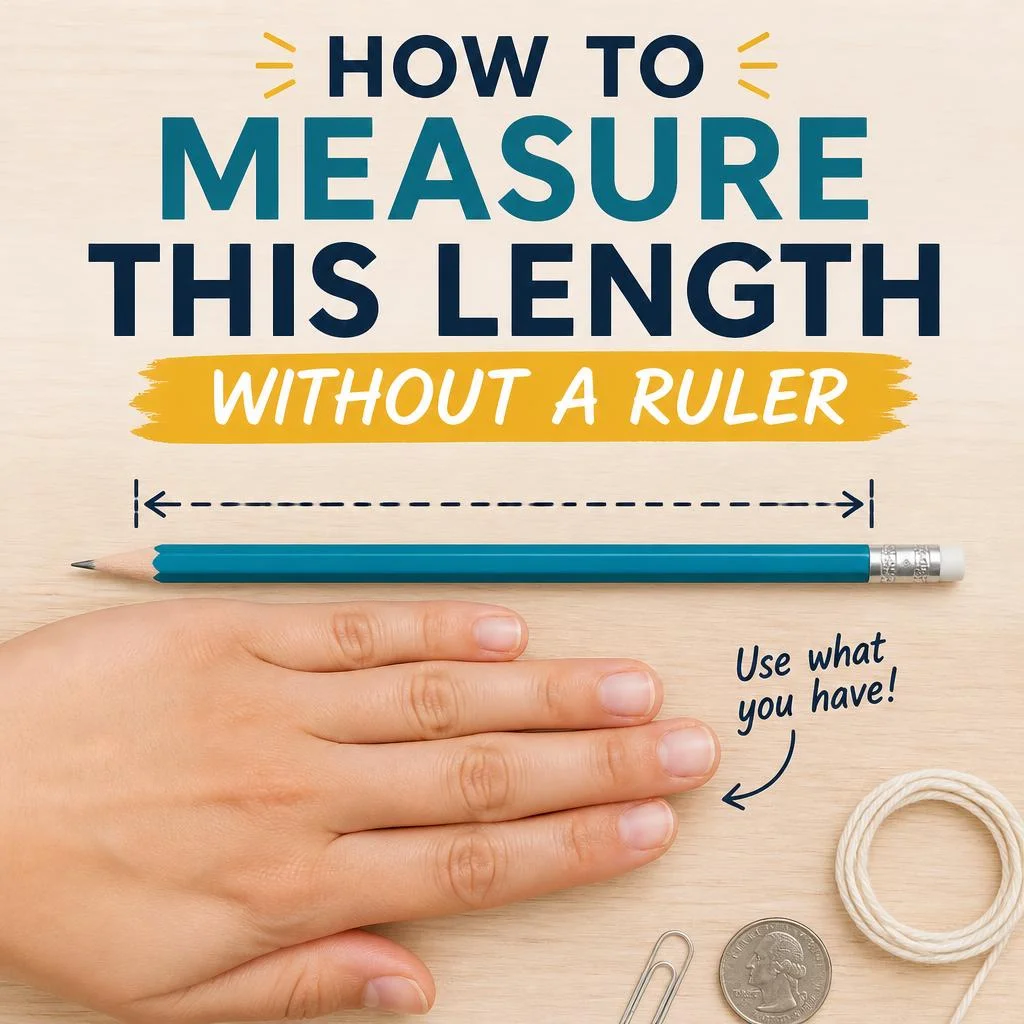
You can estimate small dimensions with familiar objects, although these methods are less precise than a measuring tape.
Use a Dollar Bill
US paper currency measures approximately 6.14 inches from one end to the other.
Place the bill next to the object and compare their lengths. Since the currency is slightly longer, it gives you a close visual reference.
Use a Photo Print
If you have a standard 4 × 6-inch photograph, measure along its longer edge. This provides a known reference that can help you estimate another object’s length.
Make sure the print has the correct dimensions before using it.
Use Your Smartphone
If you know your phone’s actual height, you can compare it with another object.
Look up the manufacturer’s dimensions rather than relying on the diagonal screen measurement. This distinction helps prevent inaccurate estimates.
Use a Measuring Tape
A measuring tape is the most reliable option when precision matters.
Start at the zero mark, extend the tape along the object’s length, and stop at the six-inch marking. Keep the tape straight and avoid measuring from the edge of the casing instead of the correct starting point.
Tip: Visual comparisons work well for everyday estimates, but accurate measurements are important when cutting materials, assembling furniture, or purchasing items that must fit a specific space.
Comparing Different Lengths
Looking at measurements above and below the target can make it easier to understand the difference between sizes.
| Length | Centimeters | Comparison |
|---|---|---|
| 3 inches | 7.62 cm | Half as long |
| 4 inches | 10.16 cm | 2 inches shorter |
| 5 inches | 12.70 cm | 1 inch shorter |
| 6 inches | 15.24 cm | Reference length |
| 7 inches | 17.78 cm | 1 inch longer |
| 8 inches | 20.32 cm | 2 inches longer |
| 10 inches | 25.40 cm | 4 inches longer |
| 12 inches | 30.48 cm | Twice as long |
These comparisons show that a one-inch difference can be meaningful when dealing with small objects.
For example, a six-inch item is half the length of a 12-inch ruler. It is also twice as long as a three-inch object.
Where Are Six-Inch Measurements Commonly Used?
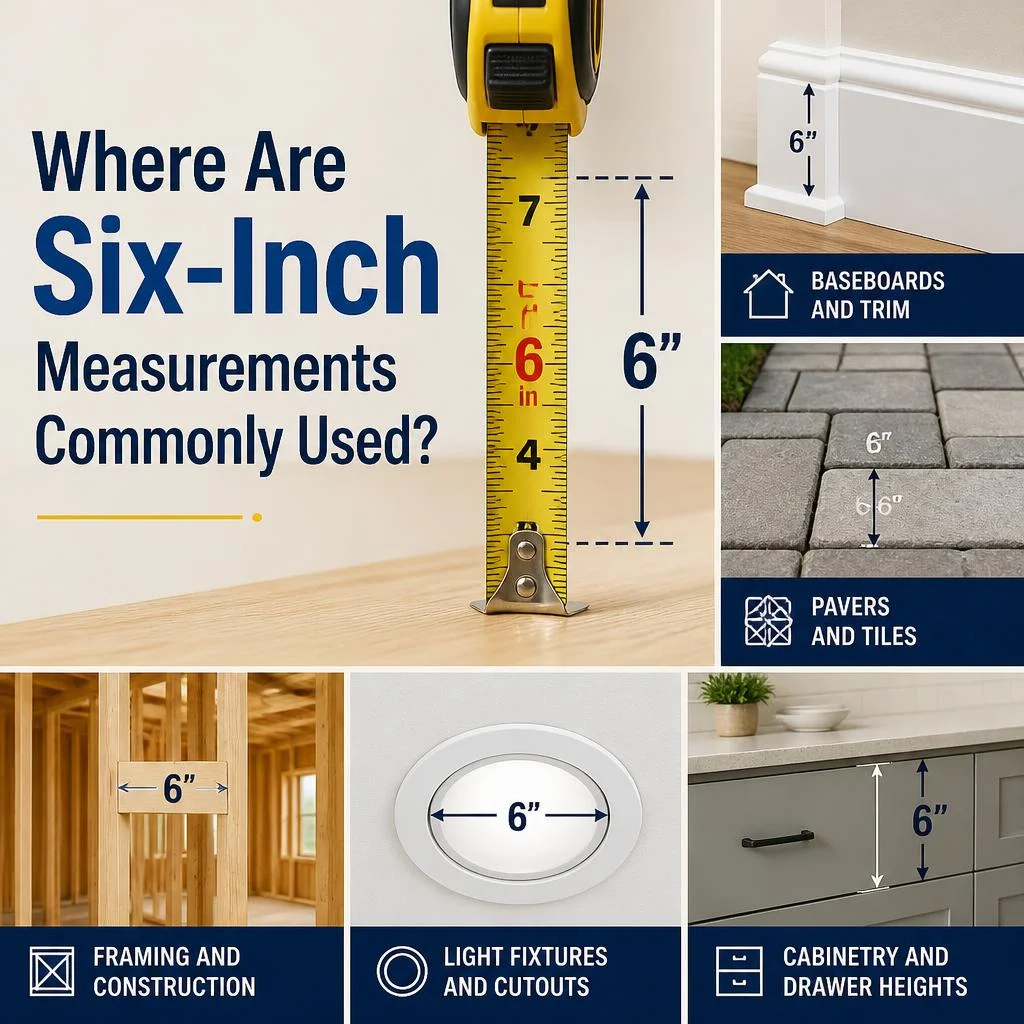
This dimension appears in several everyday situations, including home improvement, photography, shopping, and crafts.
Home improvement: Small hardware components, decorative objects, and storage products may use inch-based dimensions.
Photography: A 4 × 6-inch print has a longer side measuring six inches, making it a familiar size reference.
Food products: Some sandwiches and other food items are marketed using nominal six-inch dimensions. Actual sizes may vary by product and preparation.
Online shopping: Product descriptions often list length, width, and height in inches. Converting these values to centimeters helps shoppers who are more familiar with the metric system.
School and office supplies: Rulers, pens, and other stationery items can provide useful visual comparisons, provided their actual dimensions are known.
Always check whether a listed measurement refers to an item’s length, width, height, or diagonal. These dimensions describe different aspects of an object and should not be treated as interchangeable.
Frequently Asked Questions
How many centimeters are in six inches?
Six inches equals exactly 15.24 centimeters. Multiply any inch measurement by 2.54 to convert it into centimeters.
Is six inches half a foot?
Yes. One foot contains 12 inches, so six inches represents exactly half a foot.
How many millimeters equal six inches?
The equivalent is 152.4 millimeters. This calculation uses the standard conversion of 25.4 millimeters per inch.
Is this considered a large measurement?
That depends on the object. It is relatively short compared with furniture or large household items, but it may be substantial for a small accessory or handheld product.
Comparing the measurement with a familiar object is often the easiest way to judge its size.
Can a dollar bill help me estimate this length?
Yes. A US dollar bill measures approximately 6.14 inches long, making it a useful reference for rough estimates. It is slightly longer than the measurement you are trying to visualize.
Where is the six-inch mark on a ruler?
On a standard 12-inch ruler, the mark appears exactly halfway between zero and twelve.
Is six inches longer than 15 centimeters?
Yes. The difference is 0.24 centimeters because the exact equivalent is 15.24 centimeters.
What is the easiest way to visualize this measurement?
Compare it with a US dollar bill, the longer edge of a standard 4 × 6-inch photograph, or half of a 12-inch ruler. Each provides a familiar reference for understanding the length.
Final Thoughts
Understanding measurements becomes easier when you connect numbers with familiar objects. Six inches equals 15.24 centimeters, 152.4 millimeters, and half a foot.
A dollar bill, a standard photo print, or the midpoint of a 12-inch ruler can help you visualize this distance. These comparisons are useful when shopping online, completing crafts, organizing household items, or working on simple DIY projects.
For accurate results, use a ruler or measuring tape rather than relying entirely on visual estimates.

Aiden Cross is a passionate writer dedicated to exploring creativity, style, and modern trends through engaging and informative content. His goal is to provide readers with practical insights and fresh perspectives.