

Have you ever seen a measurement in millimeters and wondered what it actually looks like? If you’re asking how big is 8mm, you’re probably trying to visualize a small object, compare product dimensions, or understand a measurement without using a ruler.
The good news is that 8 millimeters is easy to understand when you compare it with familiar objects. It measures less than one centimeter, slightly less than 5/16 of an inch, and just under one-third of an inch.
However, the best way to picture this measurement depends on the object you’re measuring. An 8mm bead looks different from an 8mm-wide ring, a screw with an 8mm diameter, or an object that is 8mm long.
In this guide, you’ll discover the exact size of 8mm in inches and centimeters, explore 10 everyday comparisons, learn how this measurement is used in jewelry and hardware, and find simple ways to measure it accurately at home.
How Big Is 8mm in Inches?

Eight millimeters equals approximately 0.315 inches. This makes it slightly smaller than one-third of an inch and very close to 5/16 inch.
To understand the conversion, remember that one inch contains exactly 25.4 millimeters. You can convert millimeters into inches by dividing the measurement by 25.4.
For example:
8 ÷ 25.4 = approximately 0.315 inches.
This conversion is especially useful when shopping for products from different countries. A product might list its dimensions in millimeters, while your measuring tape uses inches.
Here’s a quick reference table.
| Measurement | Equivalent size |
|---|---|
| Millimeters | 8 mm |
| Centimeters | 0.8 cm |
| Inches | 0.315 inches |
| Fractional inches | Approximately 5/16 inch |
| Meters | 0.008 m |
| Feet | 0.0262 ft |
| Micrometers | 8,000 µm |
The three most useful values to remember are 8mm, 0.8cm, and 0.315 inches. You can use these conversions for most everyday measurement comparisons.
What Does 8mm Look Like in Real Life?

An 8mm measurement is small enough to fit comfortably between your fingertips, but it can still be noticeable when used as the width or diameter of an object.
Imagine a small jewelry bead resting on your fingertip. You could also picture the width of a wooden pencil or a tiny round button. These familiar objects provide a useful starting point for visualizing the measurement, although their actual dimensions vary.
One important distinction is the difference between length, width, thickness, and diameter.
- Length: The distance from one end of an object to the other.
- Width: The distance across an object from side to side.
- Thickness: The distance between the two surfaces of an object.
- Diameter: The distance across a circle through its center.
For example, an 8mm-long screw may have a different diameter, while an 8mm bead measures approximately 8mm across its widest point.
Understanding this difference is essential when shopping for small components. Always check which dimension the measurement describes before deciding whether an item will fit your needs.
10 Everyday Comparisons That Help You Picture 8mm
The following examples offer practical ways to imagine this small measurement. Some objects may be close to 8mm, while others provide a general visual reference. Their exact dimensions depend on their design and manufacturing.
1. A Small Garden Pea

A small garden pea can be close to 8mm in diameter. Its rounded shape makes it an easy visual reference because you can see the distance across its center.
However, peas vary in size. Some are smaller, while others grow larger than this measurement. Therefore, use a pea as a rough comparison rather than an exact measuring tool.
2. A Small Jewelry Bead
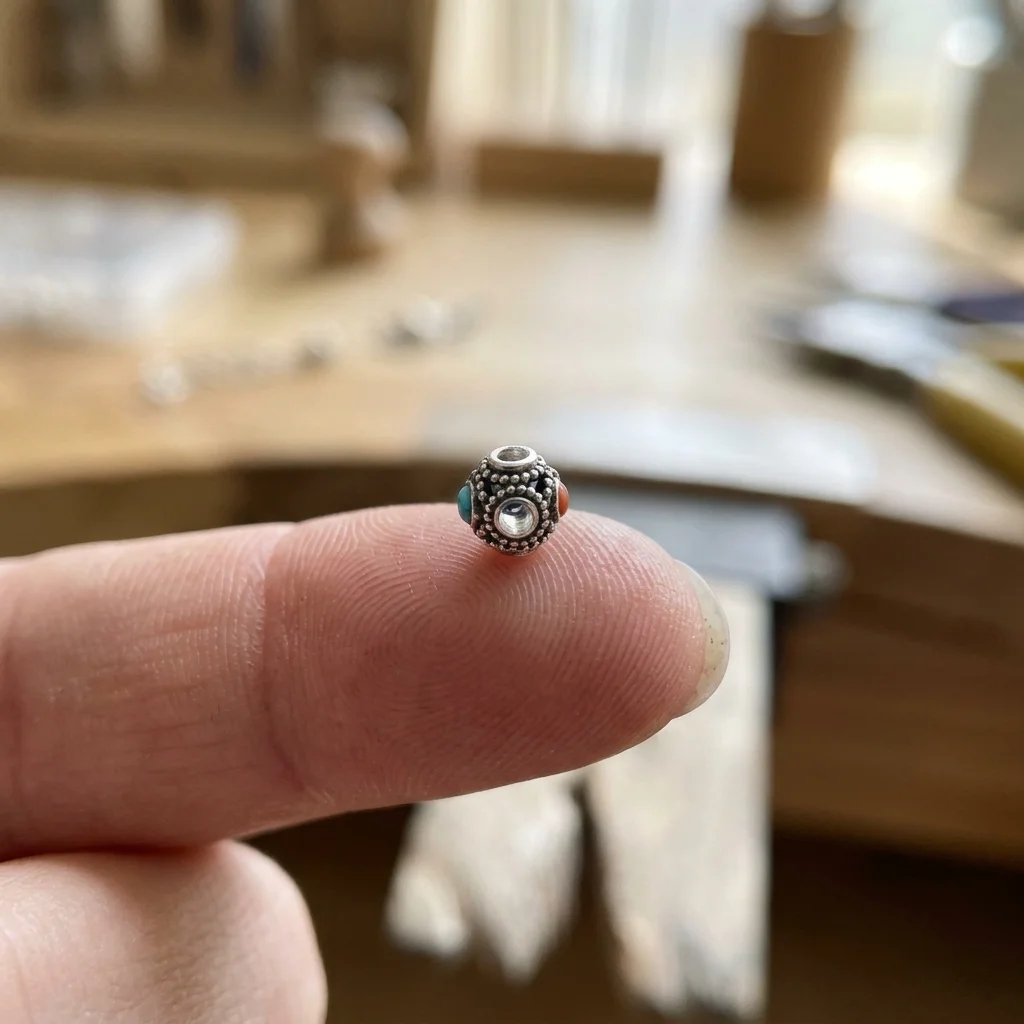
An 8mm jewelry bead is one of the clearest examples because bead sizes are commonly specified in millimeters.
This size works well for necklaces, bracelets, earrings, and other accessories. It offers a noticeable appearance without being particularly large.
If you’re shopping online, look for the stated diameter rather than relying on photographs. Camera angles and image scaling can make a small bead appear much larger or smaller than it really is.
3. The Width of a Wooden Pencil
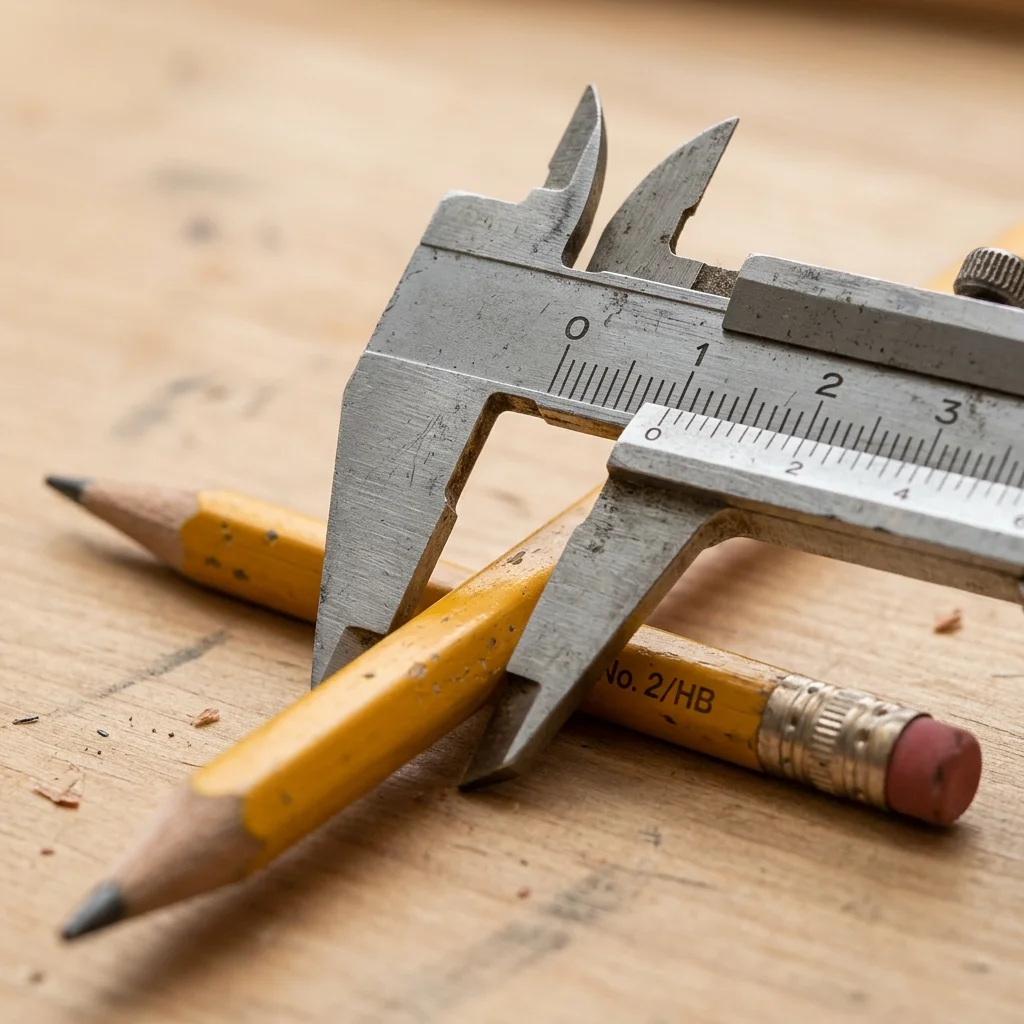
Many ordinary wooden pencils measure approximately 7–8mm across, depending on their design.
A pencil is a helpful comparison because most people have used one. Its hexagonal shape also demonstrates why the measuring method matters: measuring across opposite flat sides may produce a different result from measuring across opposite corners.
Although a pencil provides a convenient visual reference, use a ruler if you need an exact measurement.
4. A Small Button
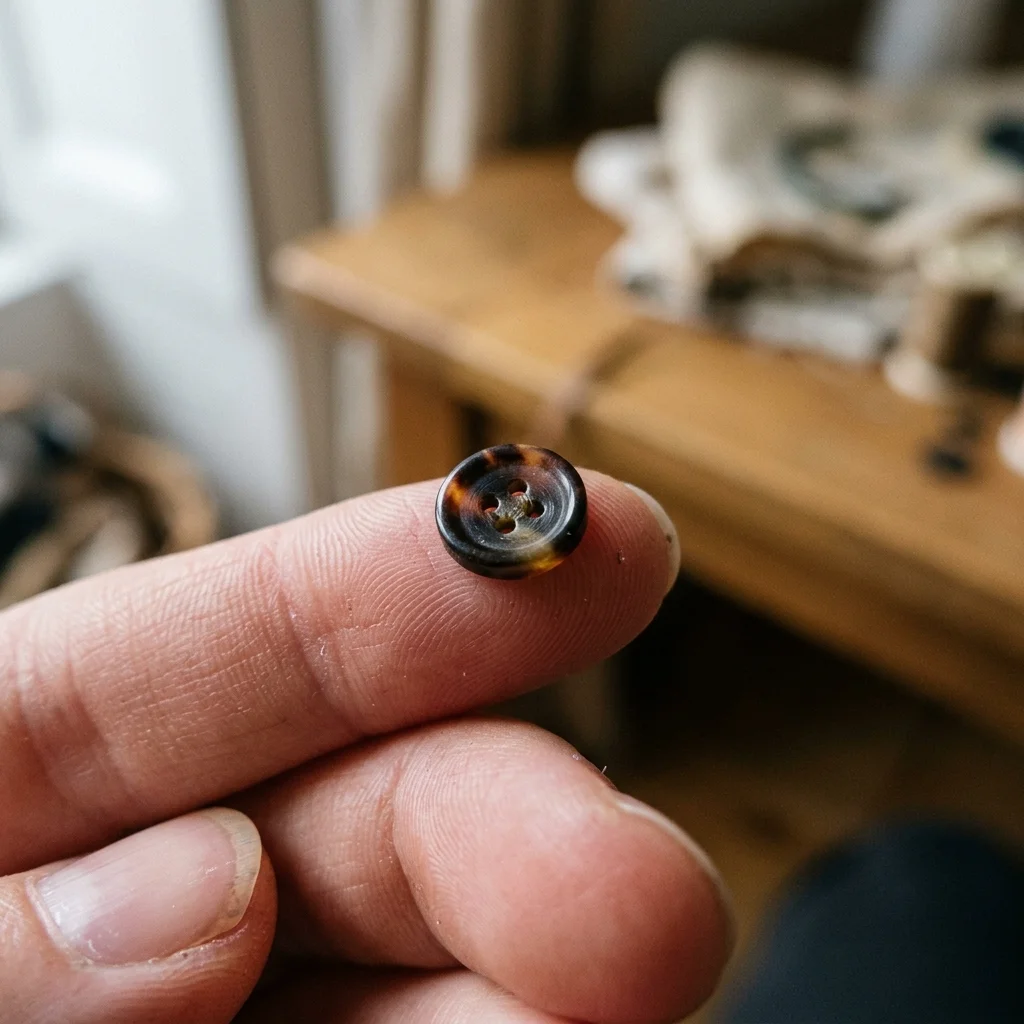
Some small shirt buttons have a diameter close to 8mm. These buttons are useful examples when you’re trying to picture the measurement for sewing or craft projects.
Keep in mind that button sizes vary by clothing type. A small shirt button may be close to this measurement, while buttons used on coats and jackets can be considerably larger.
When replacing a button, measure its full diameter rather than the distance between its holes.
5. A Small Stud Earring
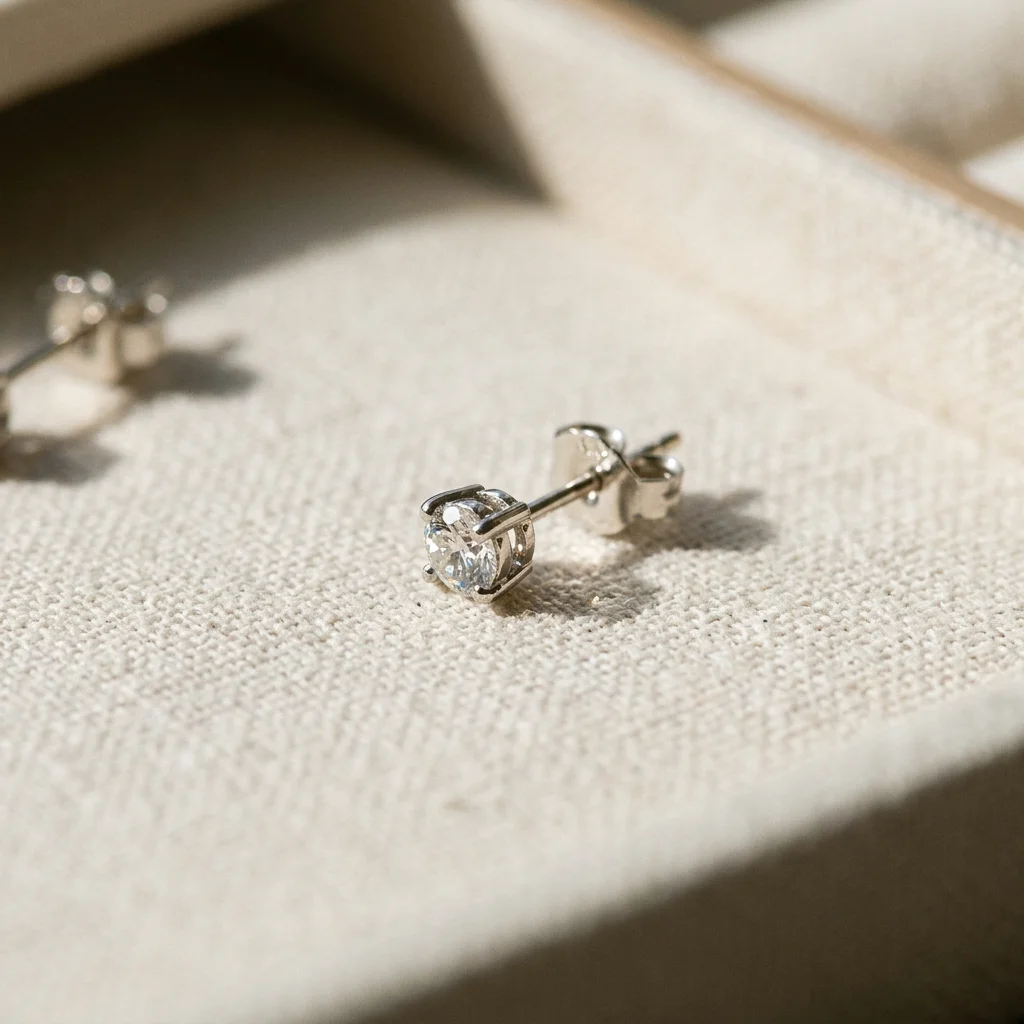
An 8mm stud earring can be noticeable without covering a large part of the earlobe. Jewelry sellers frequently describe earrings and decorative stones using millimeter measurements.
The measurement generally refers to the width or diameter of the decorative front, not the length of the post that passes through the ear.
If you’re choosing earrings, check the product dimensions carefully because an 8mm round stud looks different from an 8mm-long rectangular design.
6. A USB-C Connector
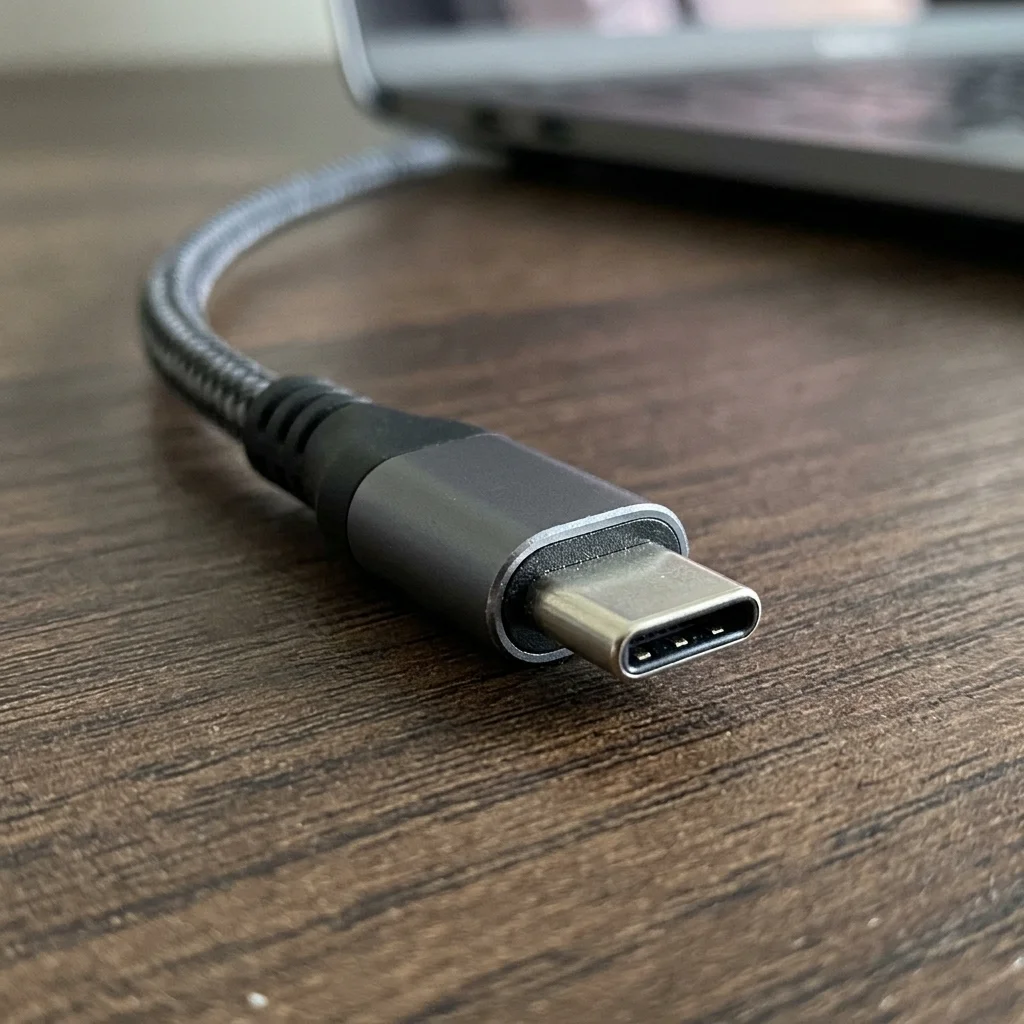
The metal housing of a USB-C plug is approximately 8.25mm wide. This makes it a useful near-match for visualizing an 8mm measurement.
The connector is slightly wider than 8mm, but the difference is small enough to help you understand the scale.
Remember that connector width and height are separate dimensions. Its overall shape is not a perfect square, so its width alone does not describe its complete size.
7. An 8mm Drill Bit
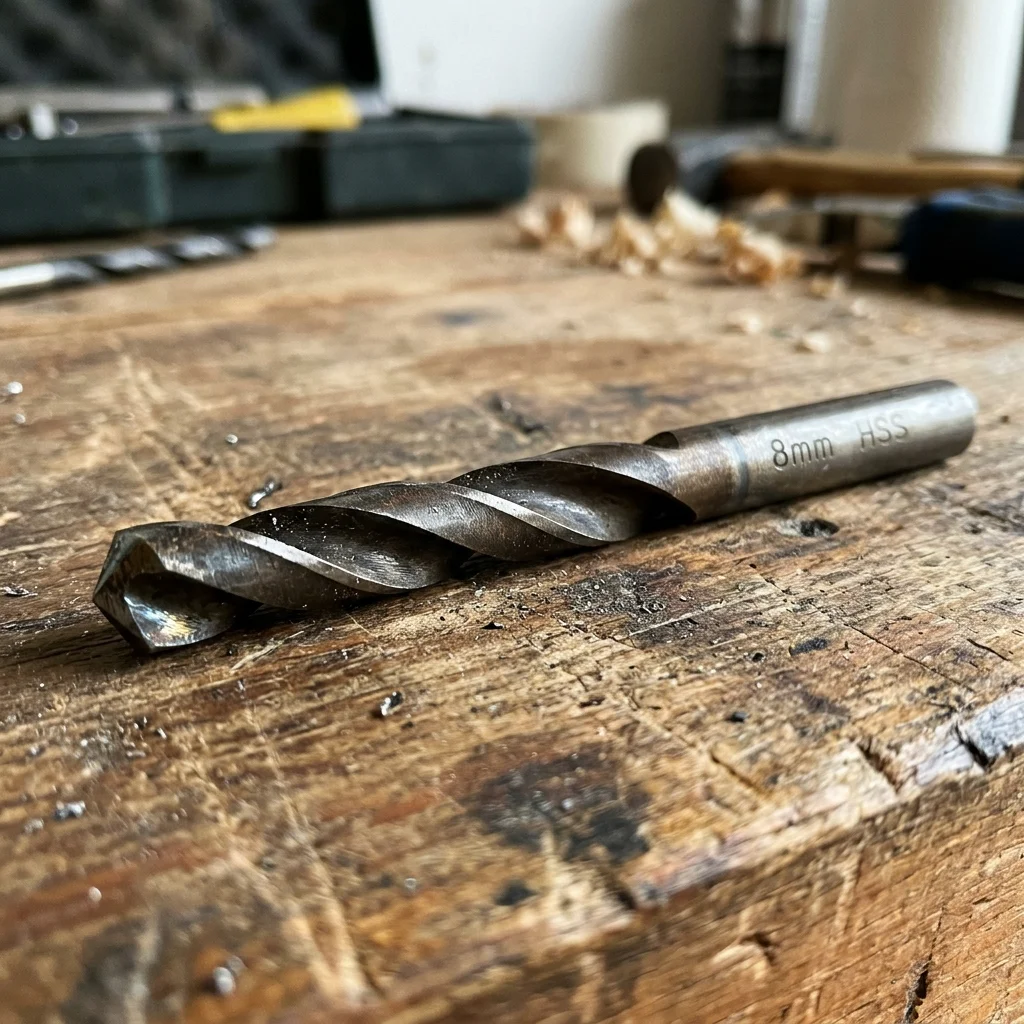
A metric drill bit labeled 8mm is designed around a nominal cutting diameter of 8mm.
This is a precise example of how the measurement is used in practical work. If a project requires an 8mm hole, the drill bit’s diameter is the relevant dimension, not the total length of the tool.
Actual hole size can vary depending on the material, drilling technique, and equipment. Therefore, precision projects may require additional checks.
8. An 8mm-Wide Ring Band
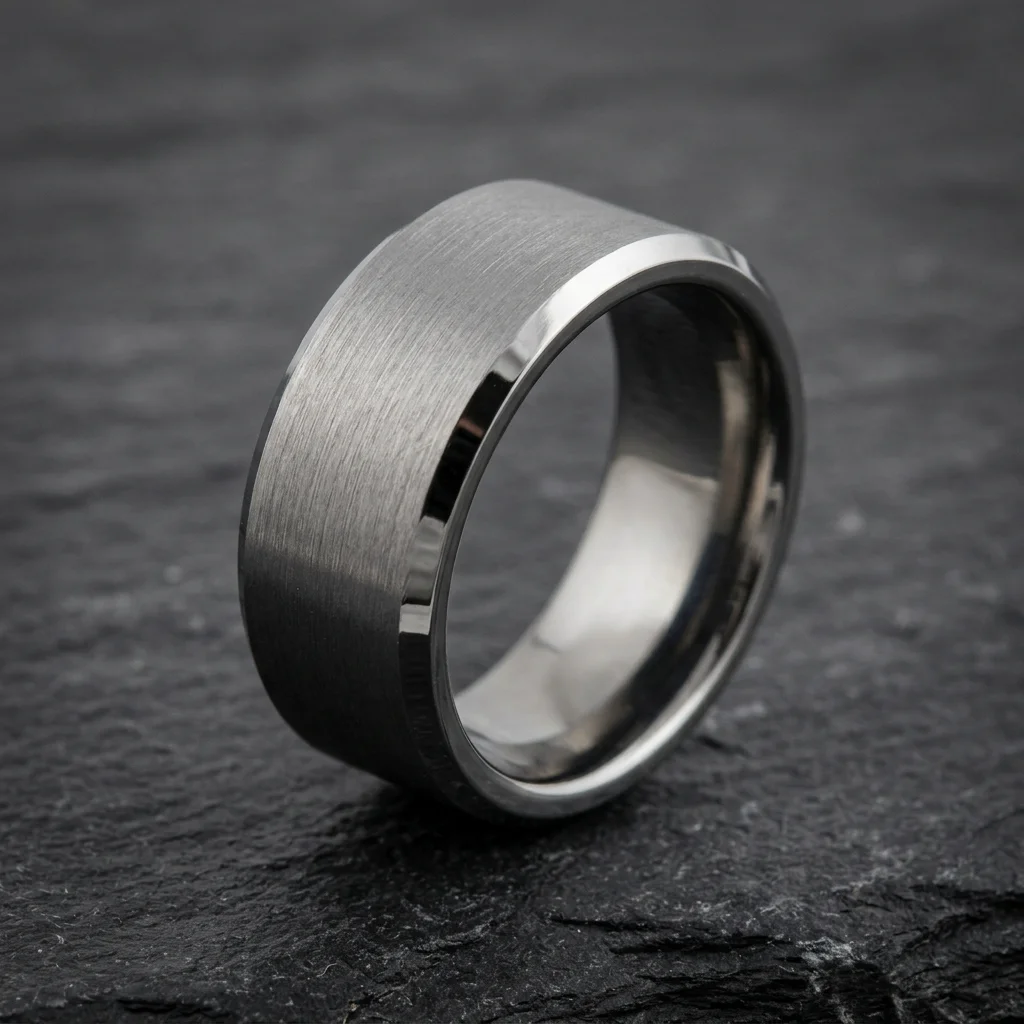
Some wedding rings and fashion rings have bands that are 8mm wide. Compared with a narrow band, this width can create a broader, more substantial appearance.
However, ring-band width is not the same as ring size. Ring size relates to the circumference or diameter of the finger opening, while band width measures the material from one edge to the other.
This distinction is particularly important when ordering rings online.
9. A Small Pearl

An 8mm pearl is a common size in jewelry. It provides a noticeable round shape while remaining relatively compact.
Pearls may be natural, cultured, or imitation, and their sizes vary widely. If you need a specific size for a necklace or matching earrings, check the seller’s measurements rather than estimating from an image.
10. A Small Plastic Spacer
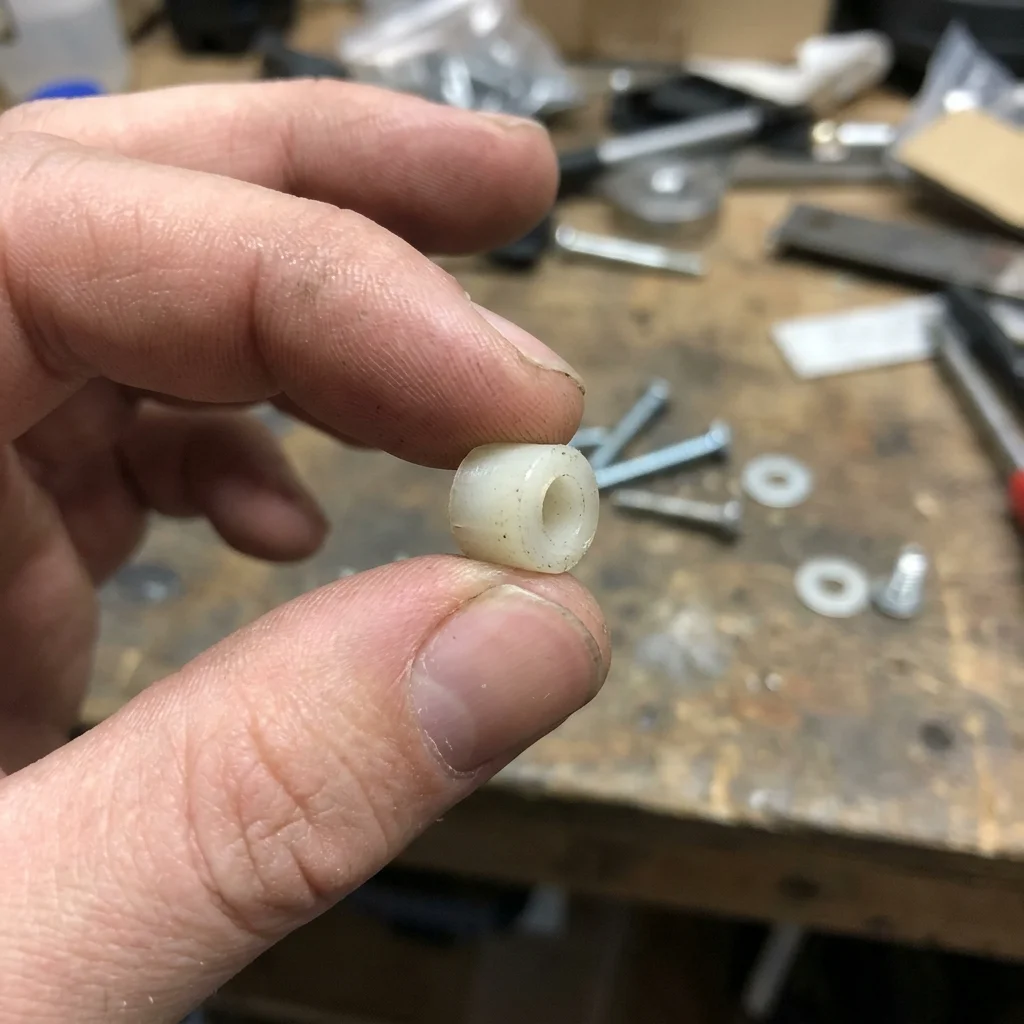
Plastic spacers used in crafts, furniture assembly, and mechanical projects may be manufactured to specific millimeter dimensions.
An 8mm spacer could refer to its outer diameter, inner diameter, length, or thickness. These measurements describe different parts of the object, even though they use the same unit.
Always identify the exact specification before purchasing replacement parts.
8mm Compared With 5mm, 6mm, 10mm, and 12mm
One of the easiest ways to understand 8mm is to compare it with nearby measurements. Even a difference of 2mm can change how a small object looks or fits.
| Measurement | Inches | Centimeters | Comparison |
|---|---|---|---|
| 5mm | 0.197 in | 0.5 cm | Noticeably smaller than 8mm |
| 6mm | 0.236 in | 0.6 cm | 2mm shorter than 8mm |
| 8mm | 0.315 in | 0.8 cm | The measurement we’re exploring |
| 10mm | 0.394 in | 1.0 cm | 2mm larger than 8mm |
| 12mm | 0.472 in | 1.2 cm | Slightly less than half an inch |
| 15mm | 0.591 in | 1.5 cm | Nearly twice the size of 8mm |
The difference between 8mm and 10mm might not sound significant, but 10mm is 25% longer than 8mm. This can make a noticeable difference when comparing beads, choosing a screw, or selecting a component for a tight space.
Similarly, 12mm is 50% longer than 8mm. This explains why measuring small items accurately matters, especially when their dimensions determine how they fit together.
Is 8mm Bigger Than 1/4 Inch?
Yes. Eight millimeters is larger than one-quarter of an inch.
One-quarter inch equals 6.35mm, whereas 8mm equals approximately 0.315 inches. The difference is about 1.65mm.
Here’s a useful comparison of common fractional-inch measurements.
| Inch measurement | Millimeter equivalent |
|---|---|
| 1/8 inch | 3.175mm |
| 1/4 inch | 6.35mm |
| 5/16 inch | 7.9375mm |
| 8mm | 8mm |
| 3/8 inch | 9.525mm |
| 1/2 inch | 12.7mm |
Notice that 8mm is almost identical to 5/16 inch. The difference is only about 0.0635mm, making these measurements extremely close.
However, close does not always mean interchangeable. When working with bolts, threaded parts, precision holes, or specialized equipment, use the specified measurement rather than assuming the nearest imperial size will fit.
How to Measure 8mm With a Ruler
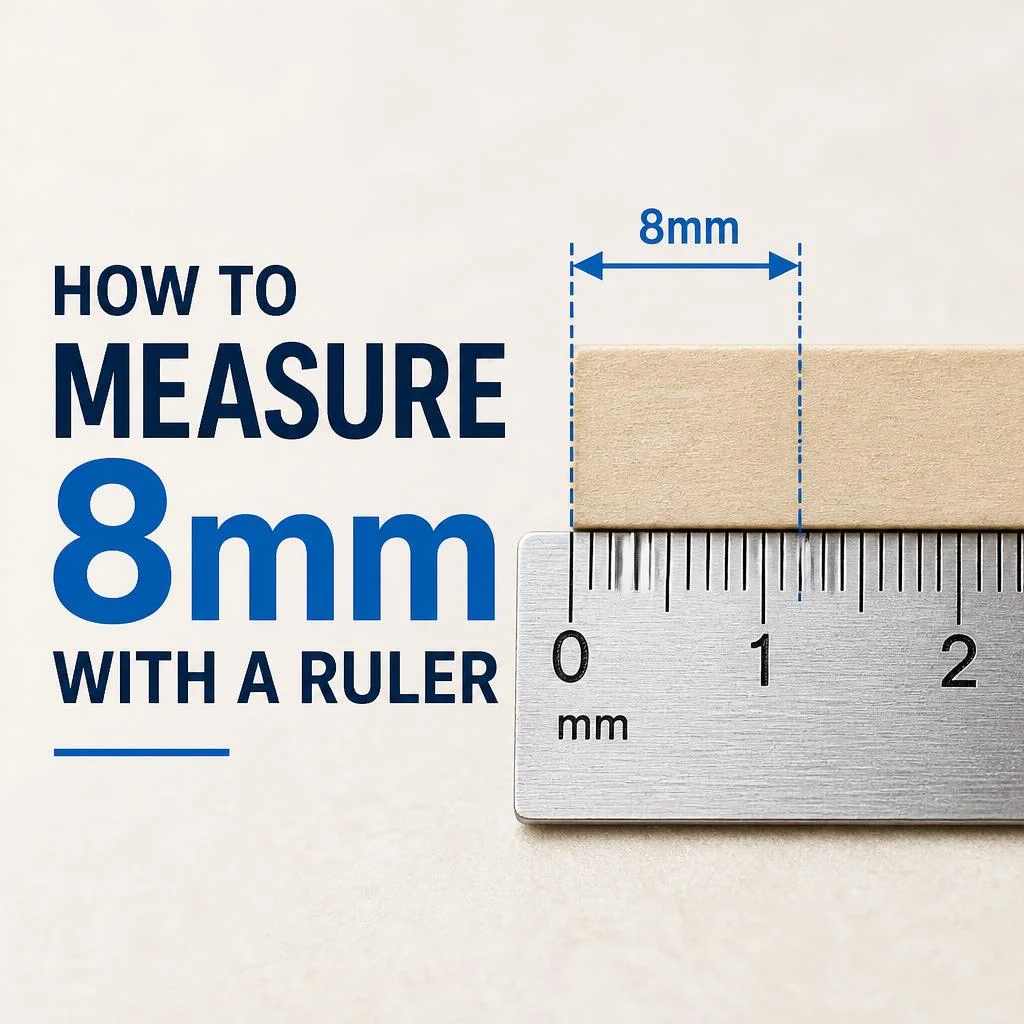
You don’t need an expensive measuring tool to measure 8mm. A standard metric ruler works well for most everyday situations.
Follow these simple steps.
Step 1: Find the zero mark.
Place one end of the object at the ruler’s zero line rather than at its physical edge. This helps prevent measurement errors.
Step 2: Identify the millimeter markings.
On a standard metric ruler, each small division represents 1mm. Ten divisions equal 1cm.
Step 3: Count eight divisions.
The eighth small marking after zero represents 8mm. It sits just before the 1cm line.
Step 4: Check the correct dimension.
If you’re measuring a round object, measure across its center to find the diameter. If you need the thickness, measure from one surface to the opposite surface.
Step 5: Read the ruler straight on.
Looking at the scale from an angle can make the measurement less accurate. Keep your eyes directly above the marking when reading the result.
If your ruler shows only centimeters, remember that 8mm equals 0.8cm. The measurement therefore lies eight-tenths of the way between the zero mark and the 1cm mark.
For more precise work, a digital caliper can help measure outside diameters, inside diameters, and thicknesses. This is particularly useful when working with small mechanical components or jewelry.
Where Is an 8mm Measurement Commonly Used?

Although 8mm is a small distance, it appears in many practical applications.
Jewelry and Fashion
Jewelry makers regularly use millimeters to describe the dimensions of beads, pearls, gemstones, earrings, and ring bands.
An 8mm bead offers a useful middle ground between smaller decorative beads and larger statement pieces. It can add visible detail without overwhelming the overall design.
When buying jewelry, check whether the measurement describes the diameter, width, or thickness. These terms are not interchangeable.
Construction and Hardware
Metric fasteners, drill bits, spacers, and other hardware components often use millimeter measurements.
An 8mm drill bit, for example, refers to its nominal cutting diameter. Likewise, an M8 bolt has a nominal thread diameter of 8mm. Its head dimensions and overall length may be different.
Always consult the product specifications when choosing hardware for a particular project. Using the wrong size can affect the fit and performance of the finished assembly.
Electronics and Accessories
Small connectors and electronic components may have dimensions around 8mm. These measurements can help you determine whether a connector will fit through an opening or whether a component will fit inside an enclosure.
However, an overall connector width is different from the thickness of its metal contacts or the diameter of its cable. Check the manufacturer’s specifications if compatibility matters.
Sewing and Crafts
Buttons, beads, decorative pieces, and spacers often come in millimeter sizes. Understanding this measurement makes it easier to choose matching supplies for bracelets, necklaces, clothing repairs, and handmade decorations.
For example, if a craft project calls for 8mm beads, using 10mm beads instead may change the appearance and spacing of the finished design.
DIY and Home Projects
Millimeter measurements can also be useful when cutting small pieces, selecting replacement components, or checking a product’s dimensions before purchasing it.
If the fit needs to be exact, measure the item rather than relying on an approximate comparison. A small difference may be unimportant for decoration but significant for mechanical parts.
Common Mistakes When Understanding 8mm
Even a simple measurement can cause confusion when the units or dimensions are unclear.
- Confusing millimeters with centimeters: Eight millimeters equals 0.8cm, not 8cm. Eight centimeters would be ten times larger.
- Assuming every comparison object is exactly 8mm: Peas, pencils, buttons, and other household objects vary in size.
- Mixing up diameter and length: An 8mm diameter does not mean an object is only 8mm long.
- Relying on product photographs: Camera distance and image scaling can distort how large an item appears.
- Treating similar imperial and metric sizes as identical: Eight millimeters is close to 5/16 inch, but precision applications may require the specified size.
Avoiding these mistakes helps you understand product listings, choose appropriate components, and measure small objects more confidently.
Frequently Asked Questions About 8mm
1. How big is 8mm in inches?
Eight millimeters equals approximately 0.315 inches, which is slightly less than one-third of an inch. It is also very close to 5/16 inch.
2. Is 8mm the same as 1cm?
No. One centimeter equals 10mm, so 8mm is 0.8cm. It is 2mm shorter than a full centimeter.
3. What common object is about 8mm wide?
A small pea, a wooden pencil, or a small jewelry bead can help you visualize this measurement. However, their actual sizes vary, so use a ruler when accuracy matters.
4. Is 8mm considered small?
Yes. Eight millimeters is less than one centimeter and approximately one-third of an inch. However, it can be a noticeable size for jewelry beads, small fasteners, and compact components.
5. How many inches is 8mm exactly?
Using the standard conversion of 25.4mm per inch, 8mm equals approximately 0.31496 inches. For everyday use, 0.315 inches is sufficiently accurate.
6. How many millimeters are in half an inch?
Half an inch equals 12.7mm. Therefore, 8mm is considerably smaller than half an inch.
7. Is an 8mm bead large?
An 8mm bead is a common jewelry-making size. It is large enough to be noticeable while remaining compact enough for many necklaces and bracelets. Its appearance depends on the material, color, and design.
8. Does an 8mm drill bit make an 8mm hole?
An 8mm drill bit has a nominal cutting diameter of 8mm, but the finished hole may differ slightly because of the material, drilling technique, and tool condition. Precision projects may require a specified tolerance or a finishing operation.
9. Is 8mm bigger than 5/16 inch?
Technically, yes, but only by about 0.0635mm. The two sizes are extremely close, although they should not automatically be treated as interchangeable in precision applications.
10. How do I measure 8mm without a ruler?
You can estimate it by comparing the distance with a familiar object, such as a small bead or the width of a pencil. Nevertheless, these comparisons are approximate. If the measurement affects a purchase or a fitting, use a proper measuring tool.
11. How much bigger is 10mm than 8mm?
Ten millimeters is 2mm larger than 8mm, representing a 25% increase in length. Ten millimeters also equals exactly one centimeter.
12. Is 8mm a common size for jewelry?
Yes. Jewelry manufacturers and craft suppliers commonly list bead, pearl, gemstone, and earring dimensions in millimeters. An 8mm size is a practical option for many everyday accessories.
Final Thoughts
So, how big is 8mm? It measures 0.8 centimeters, approximately 0.315 inches, and just under one-third of an inch.
You can picture it using a small jewelry bead, the width of a pencil, or another compact everyday object. These comparisons provide a useful starting point, while a metric ruler gives you a more dependable measurement.
Whether you’re shopping for jewelry, selecting hardware, working on a craft project, or checking a product’s dimensions, remember the key conversion: 8mm = 0.8cm = approximately 0.315 inches.
Once you understand this simple relationship, comparing millimeter measurements with familiar objects becomes much easier.

Aiden Cross is a passionate writer dedicated to exploring creativity, style, and modern trends through engaging and informative content. His goal is to provide readers with practical insights and fresh perspectives.


